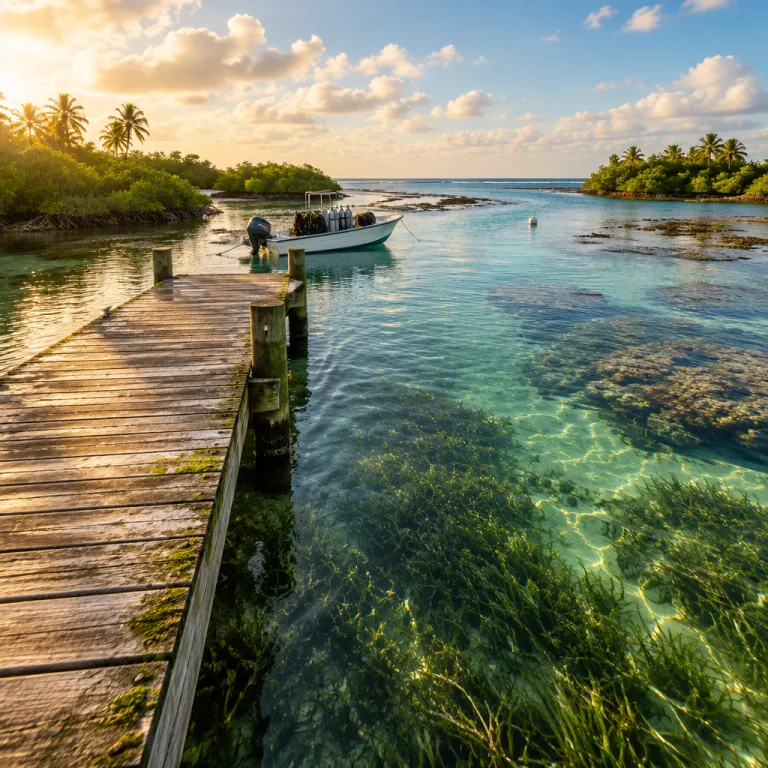
Why key west scuba diving for beginners pairs so well with the right hotel
Key West offers warm, clear water that makes a first scuba dive feel calm and inviting. For someone choosing a hotel, the location of that property can shape every diving experience, from early check in at a nearby dive center to relaxed evenings by the pool. Many hotels in the historic Old Town and along the waterfront arrange transfers to boats, dive sites, and training pools, which turns a simple trip into a seamless open water journey.
When you stay close to the main marinas on the west side of the island, such as Key West Historic Seaport or Garrison Bight, you shorten the time between breakfast and boarding your dive boat. Walking times from popular properties like The Marker Key West Harbor Resort or the Hyatt Centric Key West Resort & Spa to the docks are often 5 to 10 minutes, which matters for beginners because a shorter transfer keeps nerves low and leaves more energy for learning essential scuba skills with your PADI scuba instructor or dive master. Look for properties that partner with a reputable Key West dive center, such as Southpoint Divers or Captain’s Corner Dive Center, since these collaborations often include secure gear storage, rinsing areas for equipment, and flexible late check out options after morning dives.
Hotels that understand scuba diving guests usually offer early coffee service, light pre dive snacks, and shaded outdoor spaces where divers can review open water theory. This kind of thoughtful service supports your first Key West scuba sessions, especially when you are balancing pool drills, reef dives, and time exploring the Old Town on foot. When you compare options, ask whether the concierge can arrange dive trips to the nearby coral reef or even to the more remote Florida Keys marine life sanctuaries, because that support can elevate a simple holiday into a confident diving experience.
Choosing the ideal area in key west for beginner friendly dive centers
The island may feel compact, yet each neighborhood offers a different diving key advantage for beginners. Staying near the historic seaport on the north side places you close to several established PADI dive center operations that run daily boat departures to shallow reef systems. From these marinas, many Key West dive charters visit calm coral reef gardens that sit in relatively shallow water, which is ideal for first open water dives key sessions.
On the southern shoreline, hotels along the quieter beaches appeal to guests who want a softer start to their scuba diving journey. Here, you can combine gentle shore based snorkeling with short boat rides to beginner friendly dive sites, then return to a peaceful room for a mid day rest between dives. This area also works well if you plan to mix dolphin watching with your underwater activities, and you can explore refined Key West dolphin watching tours for hotel guests that coordinate easily with afternoon scuba dive excursions.
Further from the bustle, some properties on Stock Island and the lower Florida Keys cater to divers who value quiet marinas and ample parking. These locations often host specialized dive trips to less crowded dive sites, including advanced excursions that you might enjoy later in your diving experience. Even if you are starting with basic PADI open water certification, choosing a hotel in these areas can give you room to grow from beginner dives to more ambitious Key West scuba adventures without changing your base.
How to match your hotel choice with training, padi certification, and schedules
For key west scuba diving for beginners, aligning your hotel booking with your PADI course schedule is essential. A standard PADI open water certification usually involves classroom or online theory, confined water practice in a pool, and at least four open water dives spread across two or more days. When you select accommodation, confirm that travel time from the lobby to the dive center or training pool will not eat into your course hours, because punctuality matters for every training day.
Many reputable dive centers in Key West offer flexible course formats that suit different hotel stays, from long weekends to full week trips. If you are short on time, you can complete theory at home, then finish your open water dives key sessions in Key West, which lets you spend more of your holiday exploring coral reef sites instead of sitting in a classroom. Ask your chosen dive center whether they provide shuttle services from major hotels, and whether their scuba instructor team can store your gear overnight so you can walk back to your room unburdened after each Key West dive outing.
Guests who already hold basic certification might prefer hotels that coordinate advanced courses, such as PADI Advanced Open Water or specialty dives focused on marine life identification. These programs often include deeper dives, navigation practice, and sometimes night dives, so staying close to the marina reduces late evening transfers after a long diving experience. When you speak with reservations staff, mention your planned certification level, because some properties offer tailored packages that bundle room nights, boat dives, and even light laundry service for salt soaked clothing.
Planning reef focused dive trips and day boats from your hotel base
Key West sits at the southern end of the Florida Keys, which means your hotel becomes a natural launch point for coral reef exploration. Most beginner friendly dive trips use stable day boats that travel 30 to 60 minutes to reach shallow reef systems, giving you time to relax, set up gear, and listen to briefings from your dive master. When you book accommodation, ask whether staff can arrange early breakfast or boxed snacks, because you will often leave the dock before the sun climbs high over the water.
Popular local dive sites for first time divers include Sand Key, Eastern Dry Rocks, and Rock Key, each known for gentle conditions and abundant marine life. These reefs offer depths that suit training level scuba diving, with sandy patches where your scuba instructor can run skills before guiding you over coral formations filled with parrotfish, angelfish, and the occasional sea turtle. Hotels that work regularly with a specific dive key operator can usually secure spots on preferred Key West dive schedules, which helps you avoid last minute scrambling during peak travel seasons.
Some properties also help guests arrange more ambitious excursions, such as full day boat journeys to the Dry Tortugas National Park, where advanced coral reef systems and historic fort views combine into a memorable trip. While the Dry Tortugas often suit more experienced divers, beginners can still enjoy snorkeling from the same vessels, making it a flexible option for mixed skill groups staying in one hotel. If you plan to progress quickly from first dives to more challenging dives key adventures, choose accommodation that understands the logistics of long range dive trips and can coordinate early check outs or luggage storage on departure day.
Balancing underwater ambitions with surface comfort, amenities, and timing
New divers often underestimate how physically tiring multiple dives can feel, especially under the tropical sun. Selecting a hotel with shaded pools, quiet lounges, and easy access to hydrating drinks helps your body recover between open water sessions, which keeps your diving experience both safe and enjoyable. After a morning of scuba diving on the reef, a short walk from the marina to a cool room can make the difference between an energised afternoon and an exhausted one.
Timing your stay around weather and crowd patterns also matters for key west scuba diving for beginners. Calm seas and good visibility make it easier to manage buoyancy, equalisation, and basic navigation, so consider planning your trip during periods when winds are typically lighter and water conditions more stable. To refine your timing, consult a dedicated guide to the best time to visit Key West for hotels, seasons, prices, and events, then align your chosen dates with your preferred dive center’s schedule.
On non diving days, your hotel’s location shapes how easily you can enjoy other water based activities without overexertion. Many properties near the harbor offer quick access to kayaking, paddleboarding, and gentle snorkeling, which let you stay connected to the water while giving your body a break from deeper dives. When you speak with the concierge, mention that you are focusing on beginner level scuba dive training, so they can suggest rest day activities that complement rather than compete with your underwater goals.
Evaluating safety, marine life, and long term value for beginner divers
Safety should sit at the center of every decision you make about key west scuba diving for beginners, from hotel choice to dive operator selection. Look for properties that recommend established PADI affiliated dive centers, because these organisations follow strict training standards and maintain well serviced equipment. A professional scuba instructor or dive master will brief you thoroughly on local conditions, emergency procedures, and respectful interaction with marine life before you ever step off the boat.
The coral reef systems near Key West form part of the Florida Keys National Marine Sanctuary, which protects a wide range of fish, corals, and invertebrates. Staying with a hotel that supports conservation initiatives, such as reef friendly sunscreen policies or partnerships with coral restoration projects, allows your trip to contribute positively to the environment you are visiting. When you book, ask whether the property shares guidelines on responsible diving key practices, including buoyancy control to avoid contact with coral and rules about not touching or feeding marine life.
Thinking beyond this single trip, your first Key West scuba experiences in Key West can lay the foundation for a lifetime of underwater travel. A well chosen hotel, paired with a reliable dive center and thoughtful scheduling, can help you complete your initial certification smoothly and confidently. Once you hold a recognised open water card, you will find it easier to plan future dives across the wider Florida Keys and other global destinations, turning this first stay into the starting point of a long term relationship with the sea.
Key statistics for key west scuba diving for beginners
- The Florida Keys National Marine Sanctuary protects approximately 9 600 square kilometres of water, including the coral reef tract that Key West dive boats visit for many beginner friendly dives (source : National Oceanic and Atmospheric Administration, Florida Keys National Marine Sanctuary overview).
- Average sea surface temperatures around Key West range from about 21 °C in the coolest months to roughly 30 °C in the warmest months, which creates comfortable conditions for open water training dives most of the year (source : National Data Buoy Center, Key West area climatology).
- Typical visibility at popular Key West reef dive sites often falls between 12 and 24 metres under stable weather, giving new divers clear views of coral formations and marine life during their first scuba dive experiences (source : long term observations reported by local Key West dive operators).
- Dry Tortugas National Park lies about 110 kilometres west of Key West, and full day boat trips to this remote area can involve 2 to 3 hours of travel each way, which is why many operators recommend that beginners start with closer reef dives before attempting these longer excursions (source : National Park Service, Dry Tortugas visitor information).
FAQ about key west scuba diving for beginners
Is Key West suitable for a very first scuba dive with no experience ?
Yes, Key West is well suited to absolute beginners because many local dive centers run introductory programs in shallow, calm water with close supervision. These sessions usually start with basic skills in a pool or protected area before moving to easy reef sites. Choosing a hotel near the main marinas makes it simpler to attend early morning briefings and practice sessions.
How many days should I plan for PADI open water certification in Key West ?
Most PADI open water certification courses in Key West take three to four days when theory is completed in advance online. If you prefer to do classroom work on site, allow at least four to five days to avoid rushing. Aligning your hotel booking with the course schedule ensures you have enough time for both training and rest between dives.
Do I need my own equipment for beginner scuba diving in Key West ?
No, beginners can usually rent all essential scuba gear from local dive centers, including regulators, buoyancy control devices, wetsuits, and tanks. Bringing your own mask and snorkel can improve comfort and fit, but it is not mandatory. When booking your hotel, ask whether they provide space to rinse and dry any personal equipment you bring.
Are Key West reef dives safe for children and families ?
Many Key West operators welcome families, and children who meet minimum age and health requirements can join junior level courses or supervised introductory dives. Safety depends on choosing a reputable PADI affiliated dive center, following medical guidelines, and selecting calm weather days. Hotels that regularly host diving families can help coordinate child friendly schedules and alternative activities for non diving relatives.
What is the best way to combine snorkeling and scuba diving during one stay ?
The easiest approach is to base yourself at a hotel near the main harbor, then book a mix of snorkel and scuba trips with the same operator. Many boats visit sites that suit both activities, allowing snorkelers to stay near the surface while divers explore slightly deeper sections of the reef. Plan non diving days between more intensive scuba sessions so you can enjoy relaxed snorkeling without fatigue.