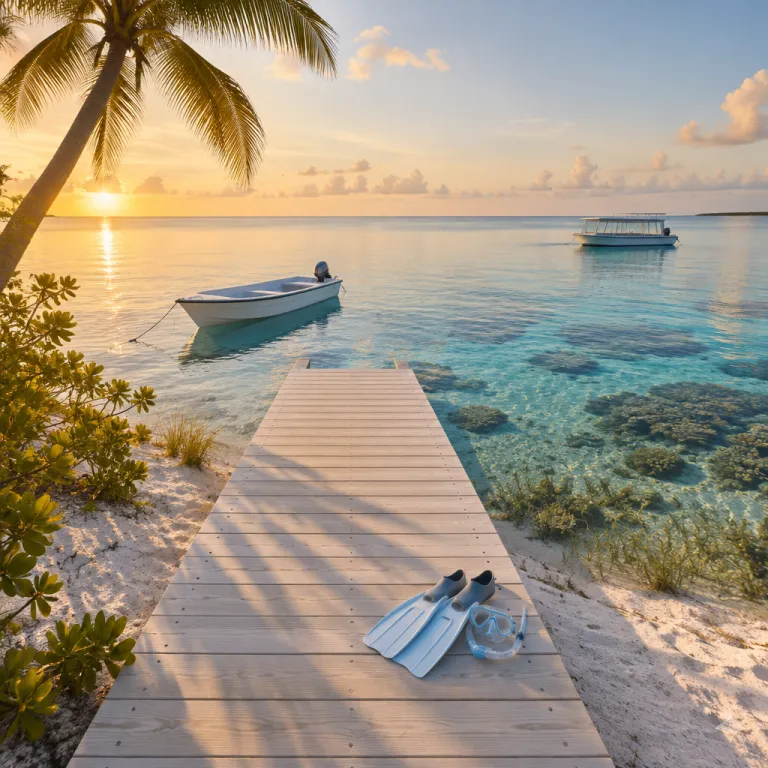
Why Key West hotels are ideal for the best snorkeling spots
Key West hotels place you minutes from some of the best snorkeling spots in Key West. From many properties you can walk to a beach, join snorkeling tours from the nearest marina, or board a boat that reaches offshore reefs in under 30 minutes. This proximity lets you plan each snorkel session around the tides, the light on the water, and your preferred crowd levels.
When you stay in central Key West you are close to the main departure piers for every major snorkeling tour, including trips to the Florida Keys National Marine Sanctuary and the nearby wildlife refuge. Most excursions leave from the Historic Seaport and the Bight Marina area along Caroline Street and Greene Street, where check in usually starts 30 to 45 minutes before departure. From many Old Town hotels you can walk to these docks in 5 to 15 minutes, which makes it easier to join early morning departures when the water is often calmer and visibility higher.
Guests who value flexibility often choose hotels near the Historic Seaport, because most boat based snorkeling Florida experiences leave from this compact harbor. Here you will find catamarans that cruise to Sand Key reef, fast boats heading to the Western Sambo reefs, and smaller vessels that split time between dolphin watching and snorkel stops. Staying nearby means you can respond quickly when staff mention that visibility is great at a particular reef or that winds have shifted toward the western side of the island, and you can adjust your plans without long taxi rides across town.
Fort Zachary Taylor and Higgs Beach for easy shore snorkeling
For travelers who prefer to snorkel from shore, Fort Zachary Taylor Historic State Park is the most practical option in Key West. The state park beach sits where the Atlantic meets the Gulf, so the water can be clearer than at other in town beaches and often shelters more fish close to the rocks. You can rent a snorkel set on site, swim a short distance from the sand, and still enjoy some of the best snorkeling for beginners who want to stay near their hotel.
Fort Zachary Taylor, often shortened to Fort Zach or simply Fort Zachary by locals, offers a mix of sandy stretches and rocky entry points that attract small coral growth and schooling fish. While it is not a dramatic offshore coral reef, the nearshore rocks create micro reefs that shelter sergeant majors, parrotfish, and the occasional lobster, which makes this state park ideal for a relaxed first snorkel of your trip. On calm mornings you may float above the rocks and hear the faint crackle of snapping shrimp while shafts of sunlight cut through the water. Because lifeguards monitor the main swimming area, families staying in central Key West hotels often choose this park for a half day of swimming, snorkeling, and shaded picnics.
Higgs Beach on the south shore of Key West provides another accessible option, especially if your hotel lies along the Atlantic side. The beach itself is sandy, but the old pier pilings and nearby rock piles create habitat where you can snorkel in shallow water and still see colorful fish and soft coral growths. While Higgs Beach does not rival offshore reefs for visibility, it offers a convenient taste of snorkeling Florida Keys style without committing to a full boat tour, and you can easily combine an hour in the water with a stroll along the adjacent seaside promenade.
Boat trips to Sand Key, Western Sambo, and offshore coral reefs
The most vibrant marine life near Key West lies on the offshore coral reef tract, which you reach only by boat. Many operators run a daily snorkeling tour to Sand Key, a classic key reef marked by a tall lighthouse about 7 miles (around 11 kilometres) southwest of the island. Here, clear blue water, healthy coral heads, and abundant fish combine to create some of the best snorkeling conditions in the lower Florida Keys.
Western Sambo reef, located within the Key West National Wildlife Refuge, is another highlight for experienced snorkelers who want a slightly wilder setting. Because this section of coral reef sits inside a protected wildlife refuge, boat captains follow strict rules about anchoring, wildlife interaction, and waste, which helps keep the reefs in great condition. When visibility is high, you can snorkel above brain coral, sea fans, and schools of yellowtail snapper while keeping an eye out for rays gliding over the sandy bottom.
Many visitors ask whether Sand Key or Western Sambo offers the best snorkeling, and the honest answer depends on conditions during your stay. On calm days Sand Key can feel like a natural aquarium, while on others the Western Sambo area benefits from better water clarity and fewer boats. Choosing a flexible snorkeling tour operator who can switch between these reefs based on wind and current often yields the best snorkeling experience overall, especially if you are open to last minute changes in departure time or exact reef location.
Day trips from your Key West hotel to Bahia Honda, Looe Key, and Key Largo
While Key West itself anchors the southern end of the island chain, some of the best snorkeling in the broader Florida Keys lies a short drive away. Many travelers base themselves in a comfortable Key West hotel, then dedicate one full day to a guided snorkeling tour at Bahia Honda State Park or the famous Looe Key reef. This strategy lets you enjoy Key West dining and nightlife while still sampling the wider range of coral reefs across the keys.
Bahia Honda State Park, about 37 miles (roughly 60 kilometres) northeast of Key West, combines a beautiful natural beach with access to offshore snorkeling tours that visit shallow patch reefs. The park beach offers calm water for a warm up snorkel, while boat trips from nearby marinas reach clearer water where coral heads rise from white sand. Families often appreciate that Bahia Honda pairs easy shore swimming with structured snorkeling tours, so different comfort levels can share the same day trip.
Looe Key, located farther up the Florida Keys near Big Pine Key, is widely regarded as one of the best coral reef sites in the region. Here, a protected spur and groove reef system supports dense coral growth, abundant fish, and frequent wildlife encounters such as nurse sharks and turtles. If you are willing to leave Key West early, a dedicated snorkeling tour to Looe Key can deliver a standout day that complements your in town reef and beach experiences.
Choosing the right snorkeling tours and operators in Key West
With so many snorkeling tours operating from Key West, selecting the right boat and itinerary matters as much as choosing the right hotel. Larger catamarans often provide more space, stable rides, and amenities such as freshwater showers, while smaller boats can reach quieter sections of reef with fewer snorkelers in the water. When you compare options, look closely at group size, reef destinations, and how much actual snorkel time each tour guarantees.
Operators such as Danger Charters, a long running local company, focus on sailing based excursions that blend reef snorkeling with a more relaxed, wind powered journey through the surrounding keys. These trips often visit shallow backcountry reefs and sandbars within the Key West National Wildlife Refuge, where you can snorkel over seagrass beds and sponge gardens while watching for rays and juvenile fish. Other companies specialize in high speed boats that reach Sand Key, Western Sambo, or nearby key reef systems quickly, maximizing your time in the water.
Before booking, ask whether the snorkeling tour provides high quality snorkel gear, flotation vests, and guidance for less confident swimmers. Reputable operators brief guests on coral reef etiquette, including not touching coral, not chasing wildlife, and keeping fins clear of fragile reefs. If you are planning your trip around marine conditions and hotel availability, consult a dedicated guide to the best time to visit Key West for hotels, seasons, prices, and events so your chosen snorkeling tours align with calmer seas and clearer water.
Planning your stay: hotels, timing, and practical snorkeling tips
When your main goal is to enjoy the best snorkeling spots in Key West, location and timing shape your hotel choice. Properties near the Historic Seaport or the Atlantic waterfront shorten transfer times to boat piers, beaches, and state park entrances. This means you can schedule a morning snorkel at Fort Zachary Taylor, an afternoon boat trip to Sand Key, and still return in time for an elegant dinner in town.
Seasonal patterns in the Florida Keys influence both water clarity and hotel pricing, so aligning your stay with calmer weather can elevate every snorkel. Late spring and early autumn often bring warm water, lighter winds, and slightly fewer crowds on popular reefs, though conditions vary from year to year. In winter, cold fronts can briefly lower visibility for a day or two, while in summer the clearest water often appears in the morning before afternoon breezes pick up. When you speak with hotel staff, ask which snorkeling Florida operators they trust, which reefs are performing best that week, and whether any wildlife sightings such as turtles or dolphins have been frequent.
Packing thoughtfully also improves your experience, especially if you plan multiple snorkel days across different reefs and beaches. A well fitting mask, a comfortable snorkel, and a lightweight rash guard reduce fatigue so you can enjoy longer sessions in the water. Reef safe sunscreen, a dry bag for boat tours, and simple water shoes for rocky entries at Fort Zachary Taylor or Higgs Beach round out a practical snorkeling key checklist.
Understanding the marine environment and responsible snorkeling in Key West
The coral reef system off Key West forms part of the only living barrier reef in the continental United States, which makes every snorkel here a privilege. These reefs, from Sand Key and Western Sambo to the more distant Looe Key and Key Largo sites, support complex communities of coral, fish, and invertebrates. When you glide over them in clear water, you are visiting a habitat that has taken centuries to build.
Much of the area around Key West falls within the Florida Keys National Marine Sanctuary and the Key West National Wildlife Refuge, both designed to protect fragile ecosystems. These designations regulate boat traffic, fishing, and even where snorkeling tours may anchor, which helps reduce stress on coral and wildlife. As a guest, you contribute by choosing operators who follow sanctuary rules, use mooring buoys instead of anchors on reefs, and brief every snorkel group on low impact behavior.
Responsible snorkeling also extends to your time on the beach and in your hotel. Avoid standing on coral, never feed fish, and keep a respectful distance from turtles, rays, and other wildlife you encounter in the water. On land, reduce single use plastics, support conservation focused tours, and consider donating to organizations that monitor coral reef health throughout the Florida Keys, from Key Largo down to Key West.
Key snorkeling and travel statistics for Key West
- The Florida Keys National Marine Sanctuary protects approximately 9,600 square kilometres of water, including the coral reef tract off Key West (source: National Oceanic and Atmospheric Administration, NOAA); this large protected area underpins the long term quality of local snorkeling tours.
- Studies by NOAA and partner agencies indicate that the Florida Reef Tract has experienced coral cover declines of more than 50 percent over recent decades, which makes responsible snorkeling practices in places like Sand Key and Western Sambo increasingly important.
- Water temperatures around Key West typically range from about 21 °C (around 70 °F) in winter to 30 °C (about 86 °F) in late summer (source: NOAA monitoring buoys), allowing comfortable snorkeling for most of the year with only a light wetsuit or rash guard in cooler months.
- Visitor data from Monroe County Tourism and local destination reports shows that millions of travelers visit the Florida Keys annually, with a significant share citing water based activities such as snorkeling and diving as primary motivations for their trip.
- Protected areas such as the Key West National Wildlife Refuge encompass more than 80,000 hectares of islands and surrounding waters, offering critical habitat for seabirds, turtles, and reef fish that snorkelers frequently observe on guided tours.
FAQ about snorkeling and hotels in Key West
Where should I stay in Key West for easy access to snorkeling tours?
For the best access to snorkeling tours, choose a hotel near the Historic Seaport or the main harbor on the north side of Key West. Most boat based snorkeling tour departures, including trips to Sand Key and Western Sambo, leave from this compact area. Staying nearby reduces transfer times and lets you join early morning or late afternoon tours more easily.
Is shore snorkeling in Key West worth it compared with boat trips?
Shore snorkeling at Fort Zachary Taylor State Park and Higgs Beach offers a pleasant, low effort way to enter the water, especially for beginners or families. However, the most vibrant coral reef structures and clearest water usually lie offshore at sites like Sand Key, Western Sambo, and Looe Key. Ideally, combine at least one boat tour with casual shore sessions for a balanced experience.
Do I need my own snorkel gear, or can I rent everything in Key West?
You can rent full snorkel sets from most snorkeling Florida operators and from beach concessions at Fort Zachary Taylor and other popular spots. That said, many frequent snorkelers prefer to bring their own mask and snorkel for a guaranteed fit, then use rental fins and vests from the tour. If you wear prescription lenses, consider a prescription mask to maximize underwater visibility.
When is the best time of year for snorkeling in Key West?
Snorkeling is possible year round, but many visitors favor late spring and early autumn for a balance of warm water, relatively calm seas, and moderate crowds. Winter can bring cooler water and occasional cold fronts that affect visibility, while summer offers very warm water but sometimes choppier afternoon conditions. Checking marine forecasts and speaking with local tour operators just before your trip helps you target the best snorkeling days during your stay.
Are Key West snorkeling tours suitable for non swimmers or young children?
Many snorkeling tours welcome beginners, non swimmers, and children, but you should choose operators that provide flotation devices, attentive guides, and clear safety briefings. Larger catamarans with easy water access and calm reef sites such as Sand Key often work best for mixed ability groups. Always inform the crew about any concerns before departure so they can recommend the most appropriate support and, if necessary, suggest a more sheltered reef or beach based option.